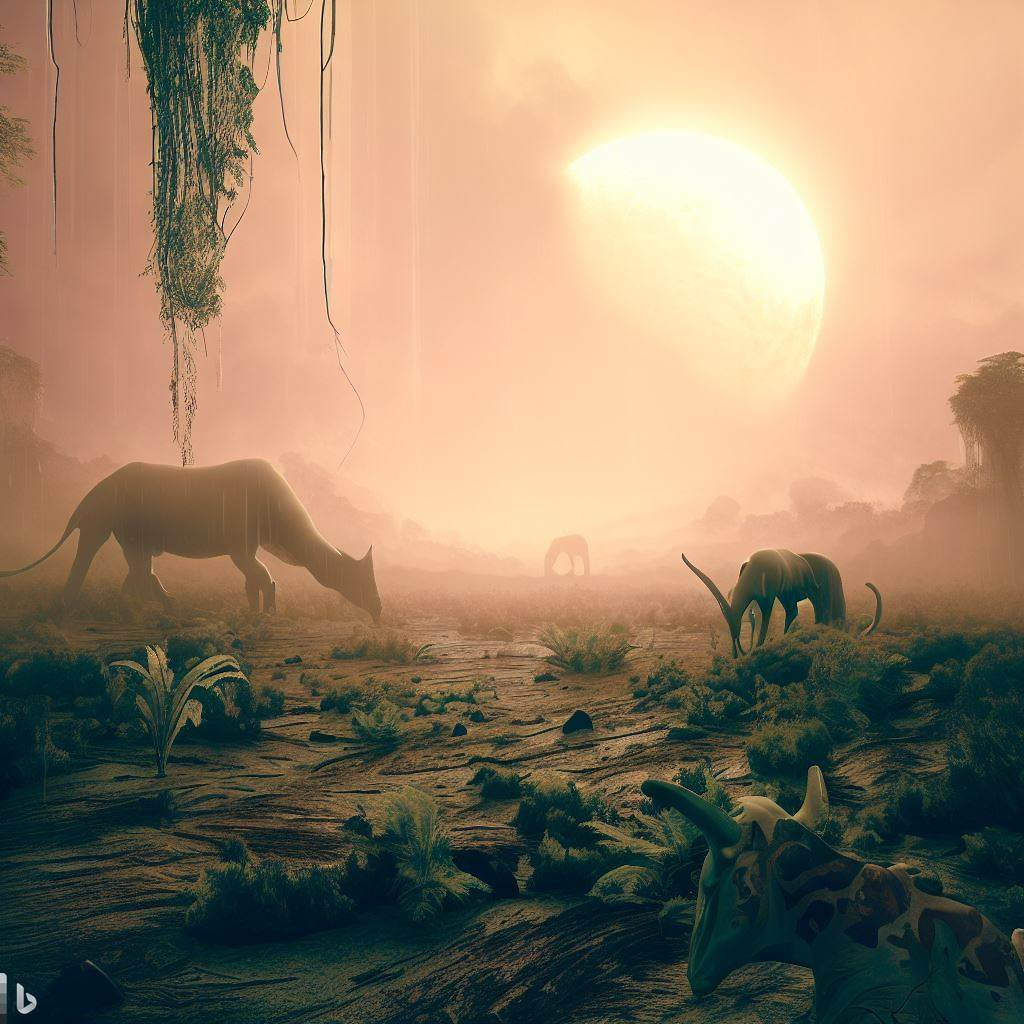
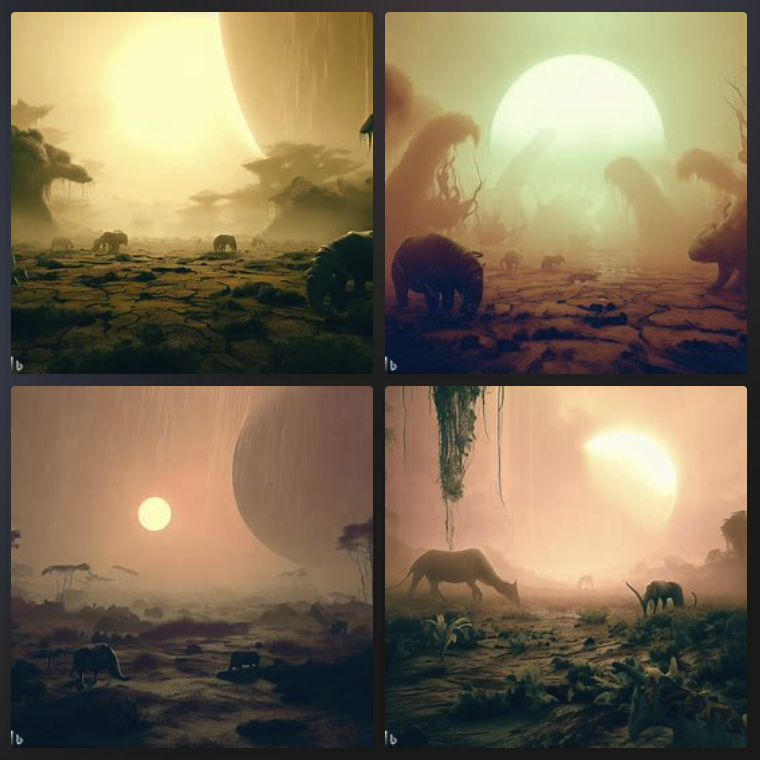
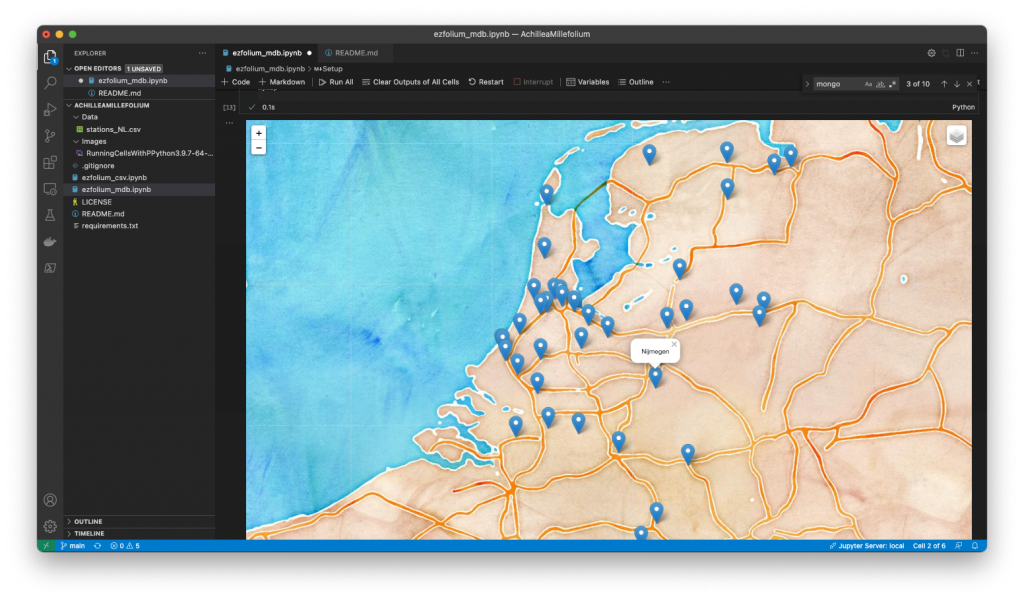
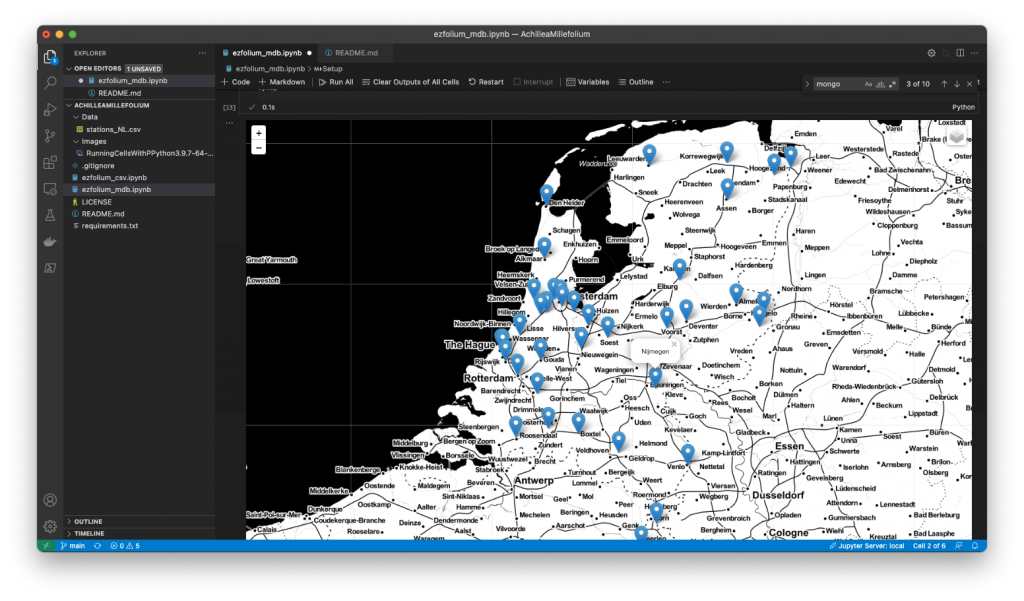
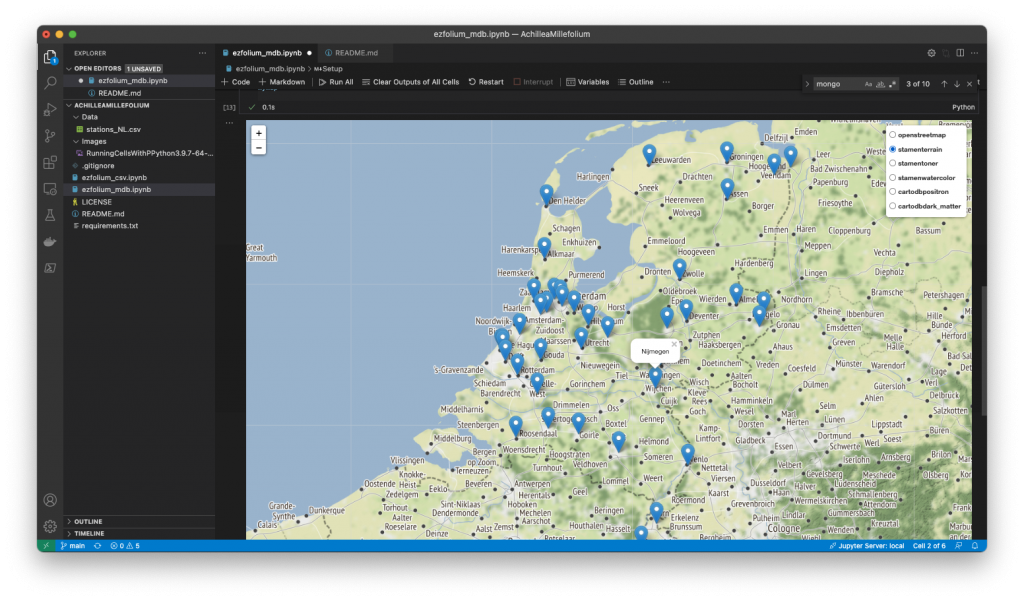
Here is an example using the following prompt: photos of a desolate landscape on an unknown planet covered with dense vegetation covering the soil while a pale sun is hidden by heavy rains pouring down and big herbivore like animals frolic happily around because the dry season is over.
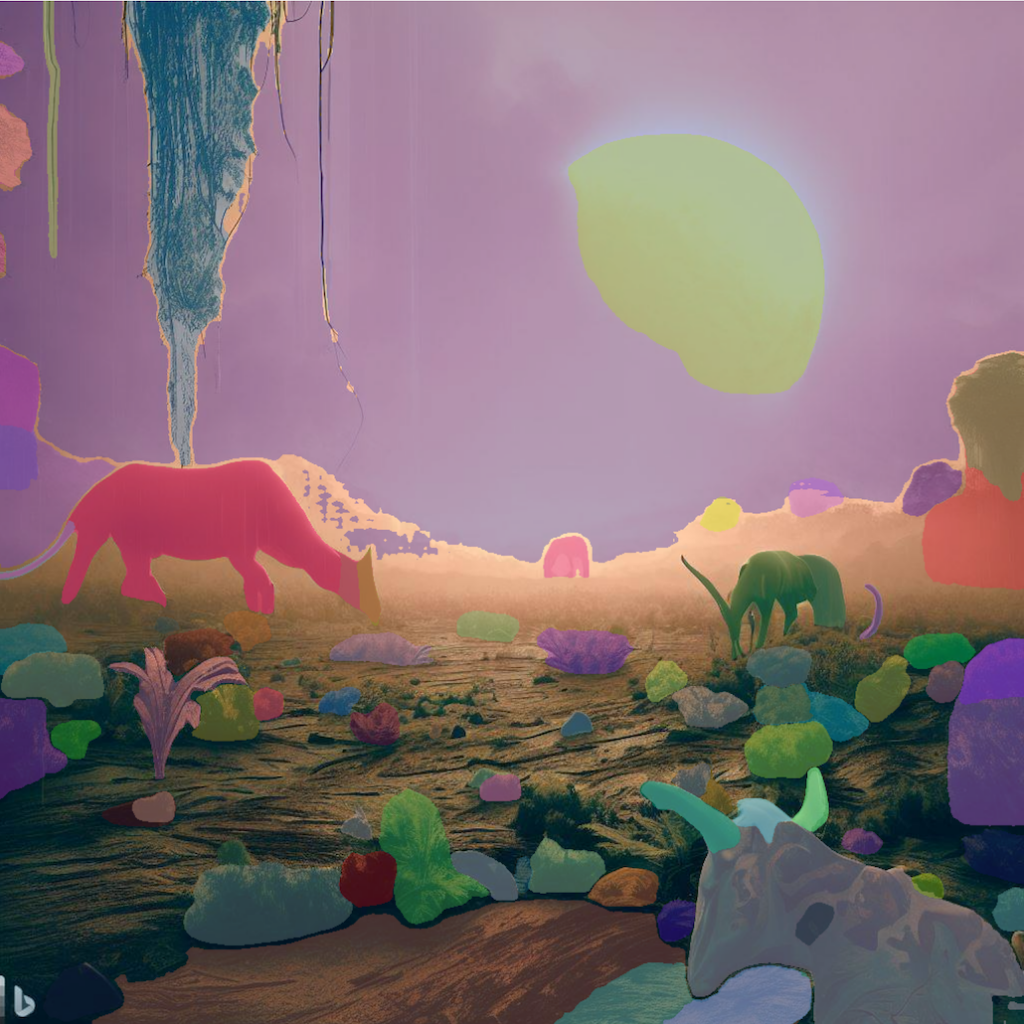
Now the only thing left to classify unknown species on an unknown planet is some class labels to attach to the masks. Just tapping into the interstellar radio traffic to see what I can find out there.
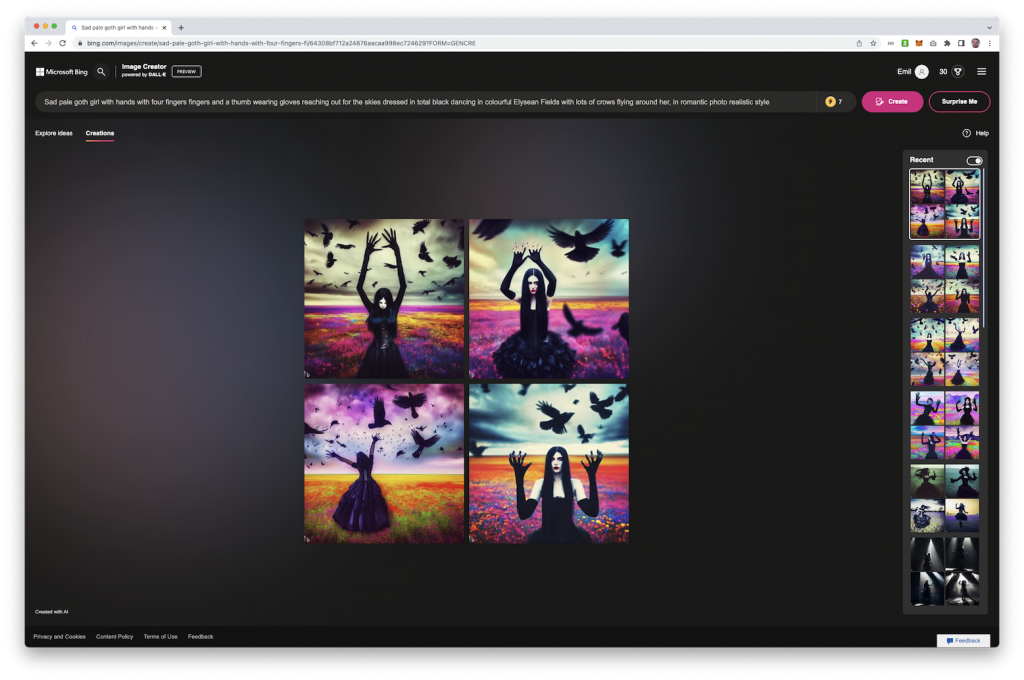
Not bad, in case you are looking for images of a ‘Sad pale goth girl with hands with four fingers fingers and a thumb wearing gloves reaching out for the skies dressed in total black dancing in colourful Elysean Fields with lots of crows flying around her, in romantic photo realistic style’.
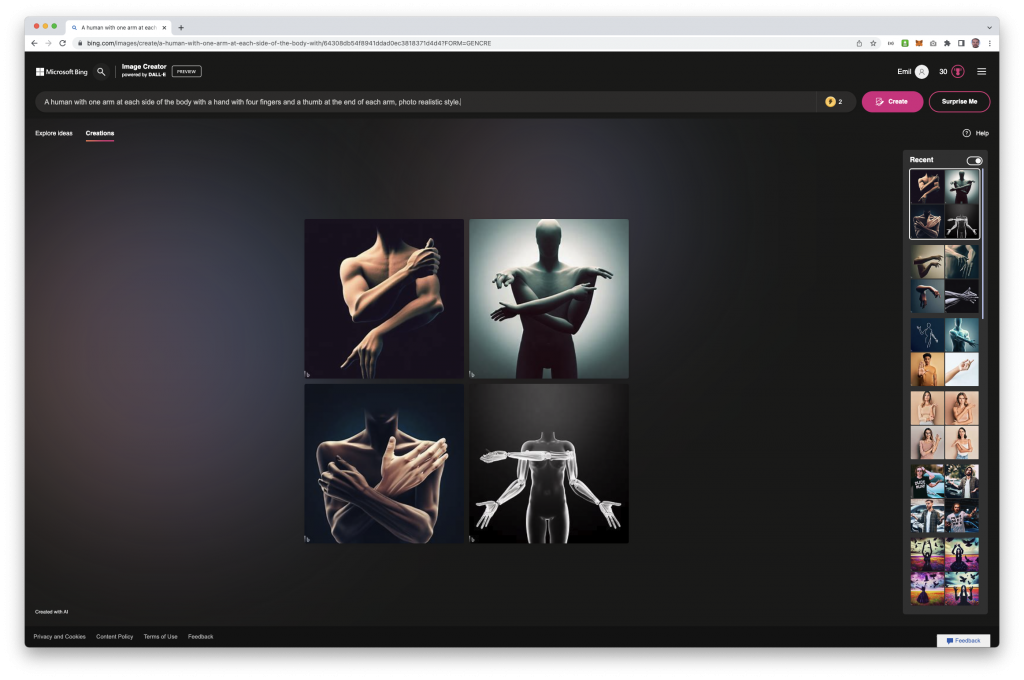
One general remark on AI image creation: the random placement of limbs and amount on fingers that can be put on a human hand still needs some attention. So far I have not found an AI image creation engine that stays close to the more or less general accepted definition of ‘one arm at each side of the body with a hand with four fingers and a thumb at the end’. Maar een kniesoor die daarop let 🙂
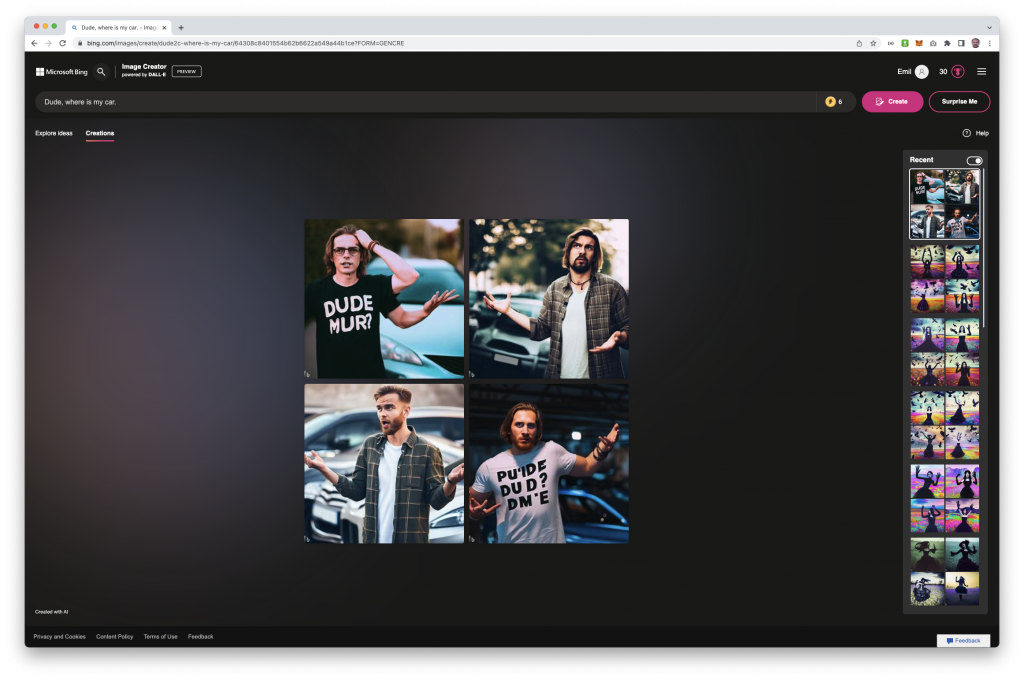
Dude, where is my car?
Maybe my definitions are just not good enough to become an AI prompter professional yet. Something like ‘a human with one arm at each side of the body with a hand with four fingers and a thumb at the end of each arm, photo realistic style‘ still gives three, four arms, Donald Duck hands, it’s all there.
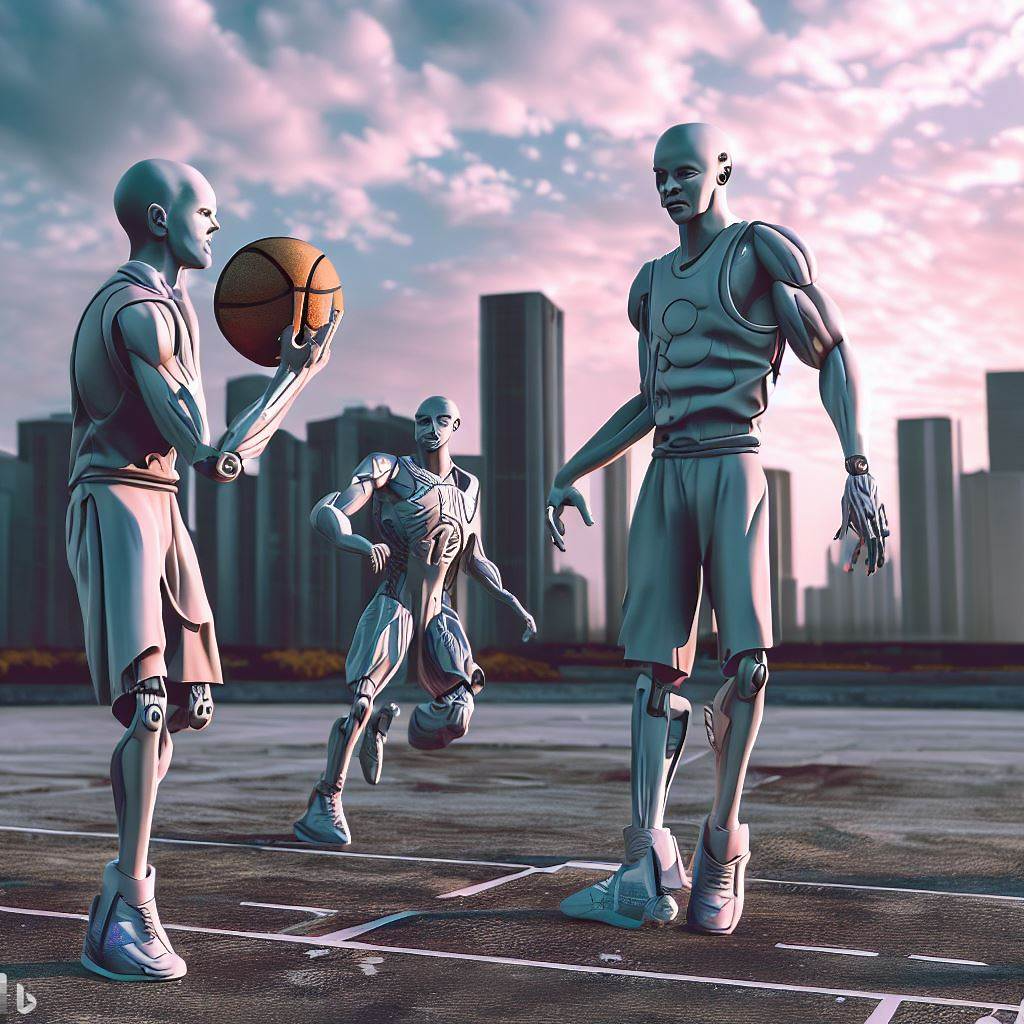
Still way cool to test drive, as I always wanted to have ‘hyper realistic photos of humanoids playing basketball in a high class area at the outskirts of a big city‘ before I get my Friday evening borrel.
I think for the near future the discussion about how to distinguish between human and AI generated content is going to be an interesting one from multiple perspectives.
Here are my holiday ‘photos of a desolate landscape on an unknown planet covered with dense vegetation covering the soil while a pale sun is hidden by heavy rains pouring down and big herbivore like animals frolic happily around because the dry season is over‘.
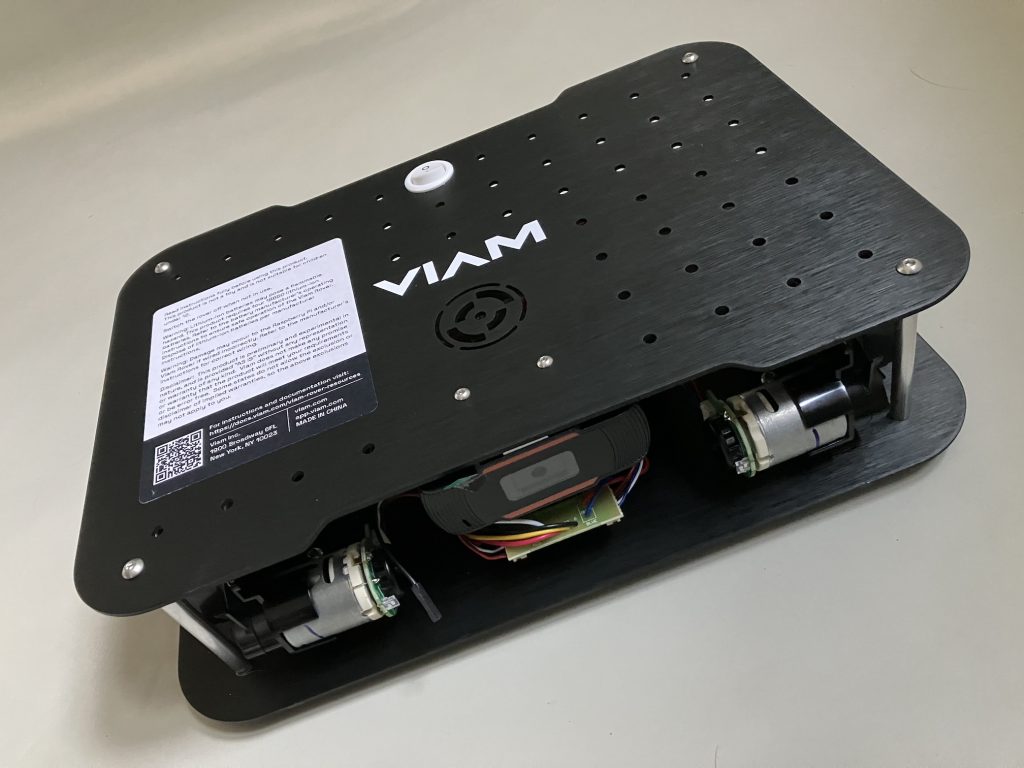
No, I’m not referring to an album from one of my favourite metal bands but to the package just delivered at my doorstep. Unboxing quickly done et voila, there it is the Viam Rover!
Dawn of a new era, weird science to come, can’t wait to get my hands dirty! Not a saga yet but for sure to be continued.
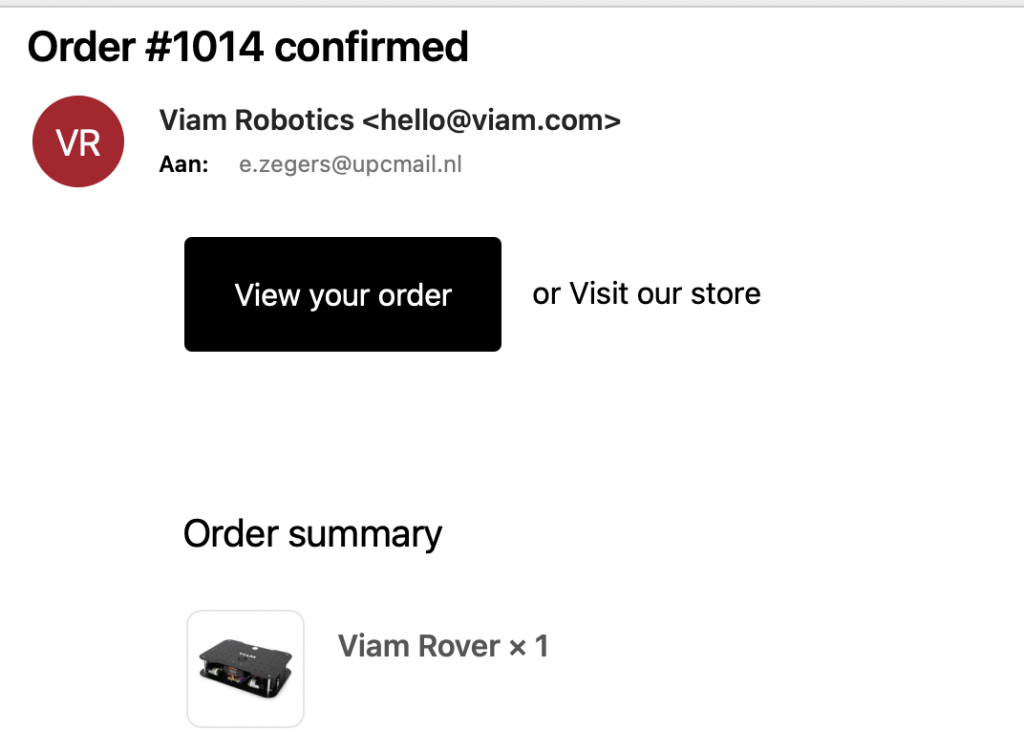
I don’t know, maybe I should ask ChatGPT some time. What I do know is that I’ll soon have the possibility to build my own droid with the Viam Rover! Look at this mail…
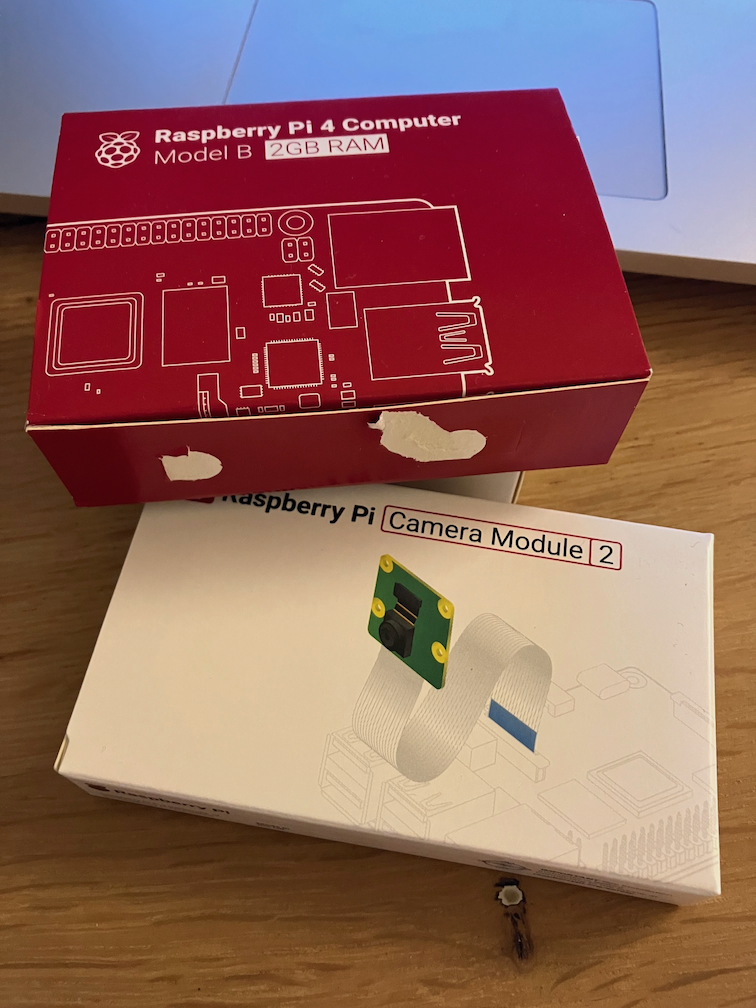
And I already got me the Raspberry stuff I need with the Rover. I played a bit with the Viam robotics platform in the recent past and created and controlled a virtual robot. But way cooler to build a real one of course. Oh, for those who want to try Viam with a real robot right now, go to https://www.viam.com/resources/try-viam and take over a Rover in their robotics lab in New York for a while.
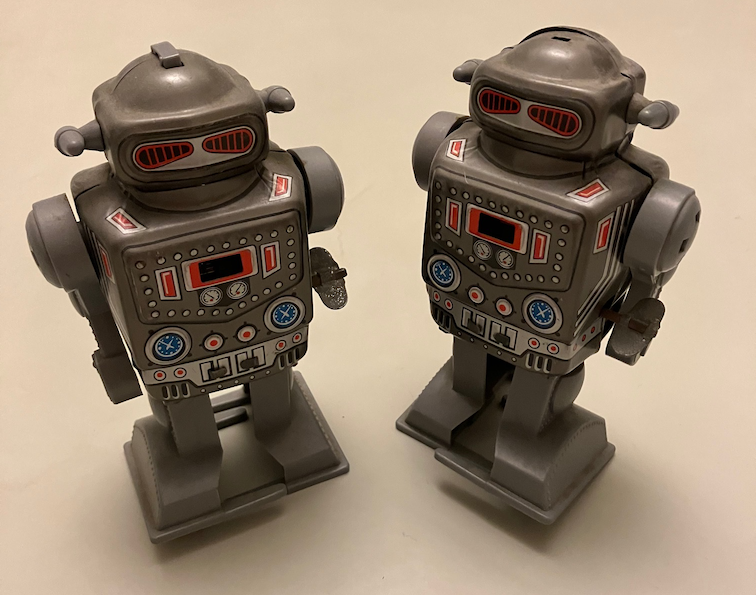
So from now on keeping my eyes on the mailbox while finding some inspiration. I have some help with that by the way.
Yes, these firespitting robots once aired on Wondere Wereld with Chriet Titulaer for those amongst us old enough to remember that crazy 80s show.
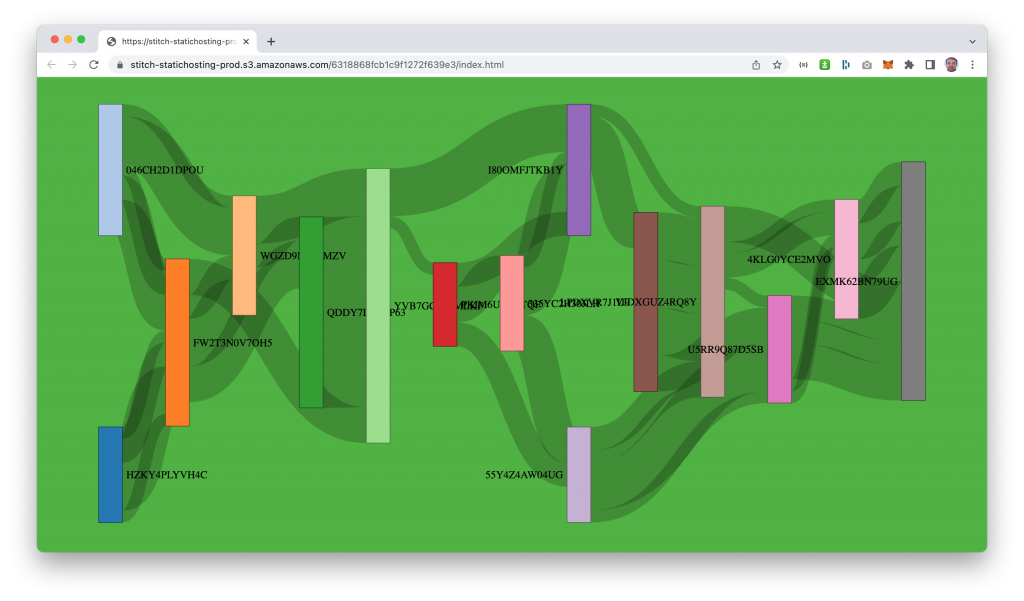
I have an old habit of creating ‘screensavers’ from semi-random generated data. An example from the past (2013, long lost era in IT dimensions) was this peacefully floating Force-Directed Graph based on XML data. Back then I worked with a certain database that consumed XML like cornflakes, munch munch. However, the sources disappeared in the realms of time, or the space vortex (maybe I need to clean up my archives some day…). Hence I present today another one, because inspired by an interesting question at work I spent a lunchbreak putting a new edition together.
It features a Sankey diagram (thanks d3.js) backed by MongoDB Atlas (duh) that gets its contents from a Python script spitting out as much data as you want to mongoimport, loading it into a MongoDB Atlas database of choice in da cloud (works with the Atlas M0 free tier TM). And it uses nifty elements from Atlas App Services like HTTPS Endpoints, Functions and Hosting. Really advanced stuff! The background color is MongoDB green of course. Runs nicely on the mobile too, enjoy
Bij mijn werk aan Data Fitness voor DataEther maken we gebruik van aardig wat open source software en libraries, zie bijvoorbeeld mijn vorige post.
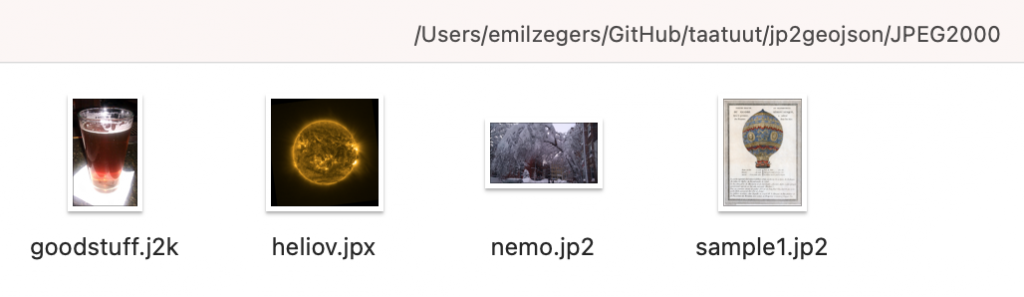
Ik probeer ook wat terug te doen door dat soort projecten te steunen, soms met code, some met een bijdrage. Nu ben ik zelf iets begonnen dat wellicht ook voor anderen bruikbaar is, Python code om de metadata uit JPEG 2000 bestanden om te zetten naar geojson.
Voorbeeld JPEG 2000 bestanden, j2k, jpx, jp2
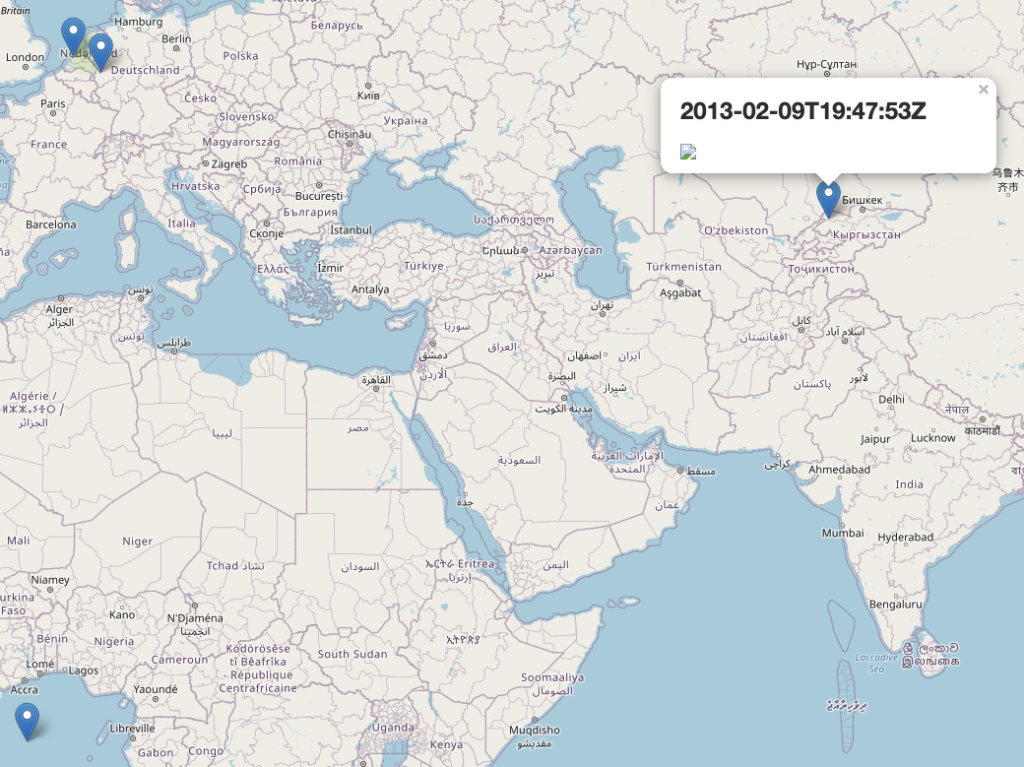
Ik was (ben…) hier naar op zoek omdat binnen de Proof of Concept die we momenteel met Data Fitness draaien aardig wat JPEG 2000 bestanden gebruikt worden waarvan het dan nuttig is om deze metadata waaronder locatie informatie eruit te filteren zodat je de bestanden op de kaart kan plaatsen en daarmee ook ruimtelijke analyses kan uitvoeren.
Ja ja, nog inclusief de niet te vermijden (0,0) locatie 🙂
Deze library( in wording… de ‘works on my machine‘ sticker is net binnen) is zwaar geïnspireerd door photos2geojson die dit al doet voor JPEG en TIFF bestanden.
Jippie, hij doet het!
Mocht je er eens verder naar willen kijken, of er misschien zelfs iets mee kunnen, ga dan naar https://github.com/taatuut/jp2geojson
Er zijn inmiddels ook al een paar issues te fixen voor een eventuele enthousiasteling.
En mocht je een kant en klaar tooltje of Python module kennen die dit al heel lang veel beter doet , dan wil ik het ook nog steeds graag weten.
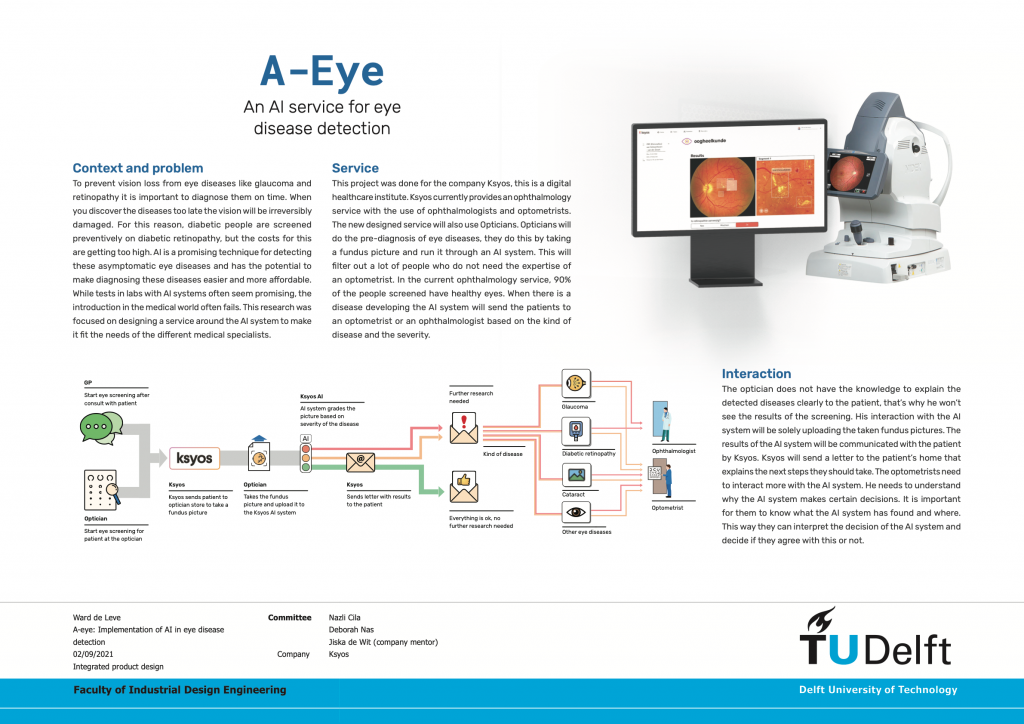
There is quite a lot going on at Healthplus.ai currently. New team members joined the data scientists team over the last few months, and they are already speeding up the pace of development. One of the projects that benefits from this is A-eye, where we work closely together with Ksyos. There are various aspects worth mentioning about this collaboration, and instead of typing a lengthy post myself, I will point to the Master Thesis “A-eye: Implementation of AI in eye disease detection” of Ward de Leve.
“A-Eye: An AI service for eye disease detection”
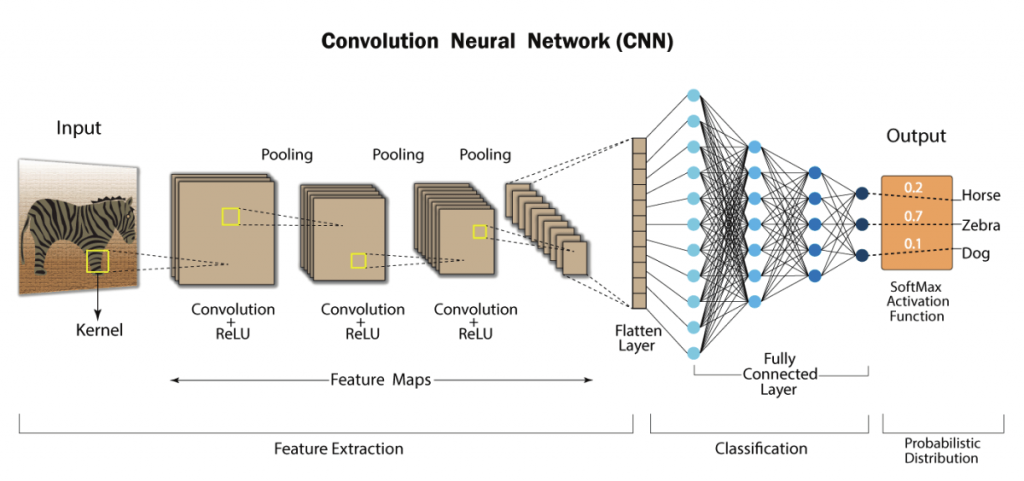
In his Thesis that Ward wrote to conclude his studies of Integrated Product Design at TU Delft, he focus on designing a service around the AI system to make it fit the needs of the different medical specialists. So it describes the complete A-eye workflow, and the role AI is going to play in this process. In chapter 4. The algorithm, you’ll find more information about the type of algorithm that is going to be used to develop the eye screening algorithm, and how we are doing this. There is quite a bit of detail on the context and background, with a good explanation of the reason to use of a convolutional neural network (CNN) to recognise patterns in (eye) images.
Think eye images instead of Zebras as Input, and possible eye diseases detected as Output
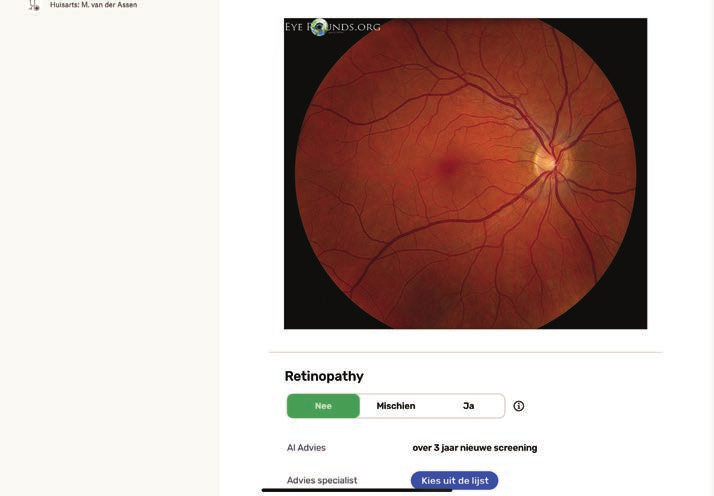
The development of the model is work in progress: working in sprints, running multiple iterations, designing & training the model, evaluating the results, and then improving in a next cycle to further optimise the model. One and of the next steps is to integrate a working version of the model in the workflow, as described in chapter 5. Workflow. I’m not going to give away more details, really recommend to check out the thesis yourself for further reading pleasure.
Concept UI design displaying AI results in a user and specialist understandable advice
So Ward, thanks for this thesis, makes writing this post a bit lazier easier, and of course congrats with your Master Graduation! Rest assured that we will use your ideas and recommendations to make the integration of the AI model in the workflow as user friendly and efficient as possible.
For those of you who want to know more about this project or other projects we are running at Healthplus.ai, feel free to contact me at emil.zegers@healthplus.ai